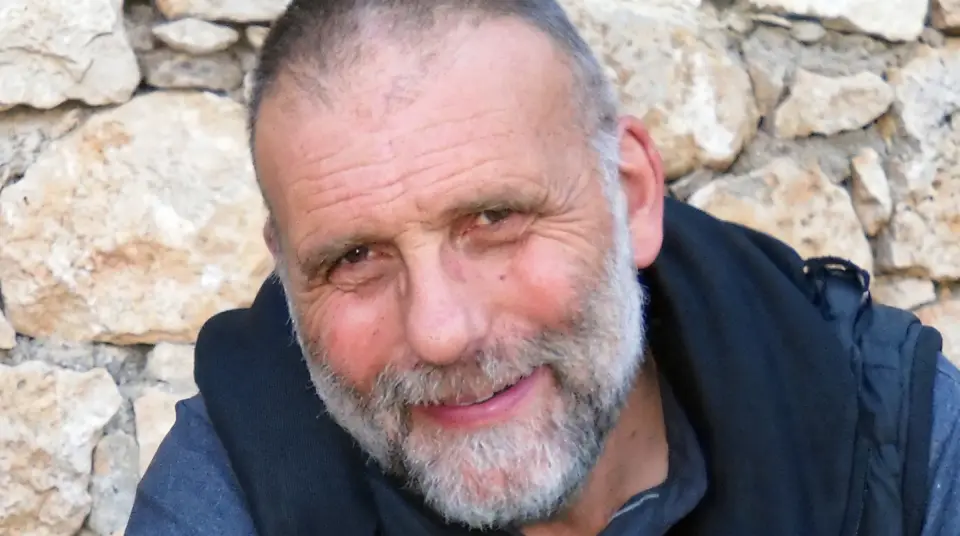
Making peace means having curiosity, attention, openness for the difference.
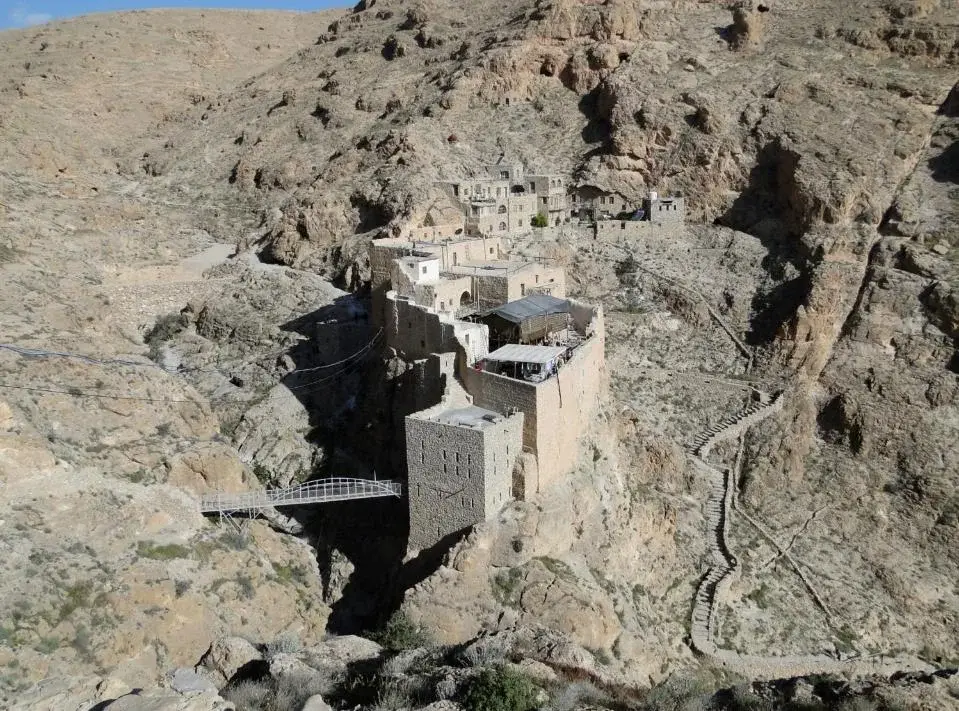
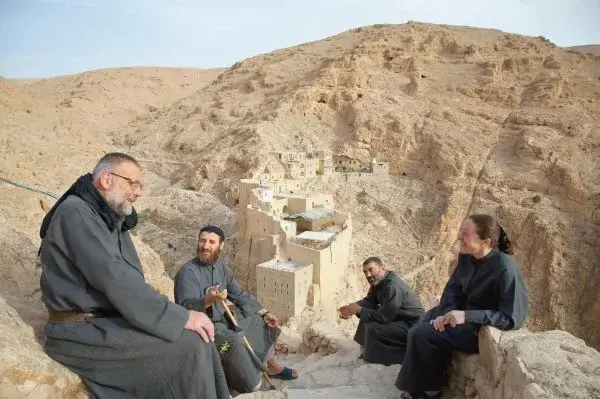
In the early 1980s, Paolo Dall’Oglio, then a young Italian Jesuit, began to rebuild the ruined monastery of Deir Mar Musa in the desert north of Damascus. The community he founded there devoted itself to friendship between Christians and Muslims and welcomed guests of every faith. Relief & Reconciliation is born out of this spirit: Paolo is our co-founder and mentor.
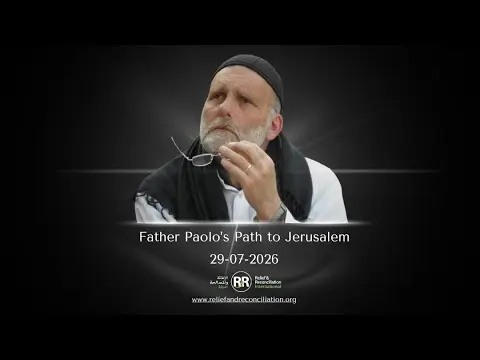
In this video, recorded in July 2026 at our Peace Centre in Akkar, our chair Friedrich Bokern tells how Paolo became a friend, a mentor and the inspiration for our association (in English).
A life for Syria
- 1954: born in Rome on 17 November.
- 1975: joins the Jesuits and studies Arabic and Islamic studies in Beirut and Damascus.
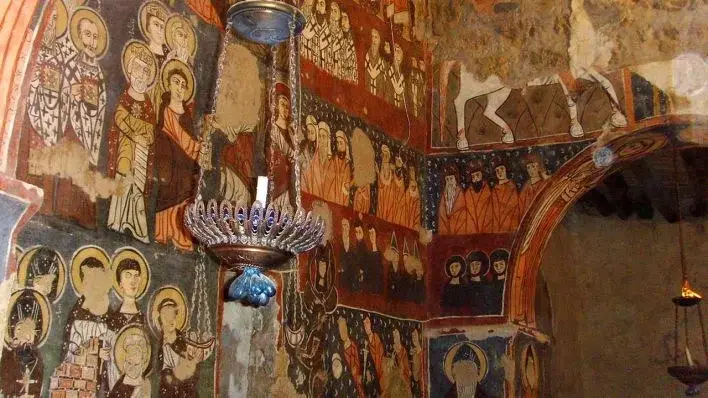
- 1982: discovers the ruins of Deir Mar Musa, a monastery whose origins go back to the 6th century and which had stood empty since the 19th century, and begins to rebuild it.
- 1984: ordained priest in the Syriac Catholic rite.
- 1989: doctorate at the Pontifical Gregorian University in Rome, with a thesis on hope in Islam.
- 1992: founds with Jacques Mourad the Al-Khalil community at Mar Musa, open to men and women alike and devoted to prayer, work, hospitality and dialogue between Christians and Muslims. Al-Khalil, “the friend of God”, is the name the Quran gives to Abraham.
- 2009: honorary doctorate from the Catholic universities of Louvain and Leuven in Belgium.
- 2011: calls for a peaceful, democratic transition in Syria, a “consensual democracy”, and meets activists of the opposition.
- 12 June 2012: leaves Syria after an expulsion order and joins his community’s new monastery, Deir Maryam al-Adhra, in Sulaymaniyah, Iraqi Kurdistan. In December he receives the peace prize of the Italian region of Lombardy.
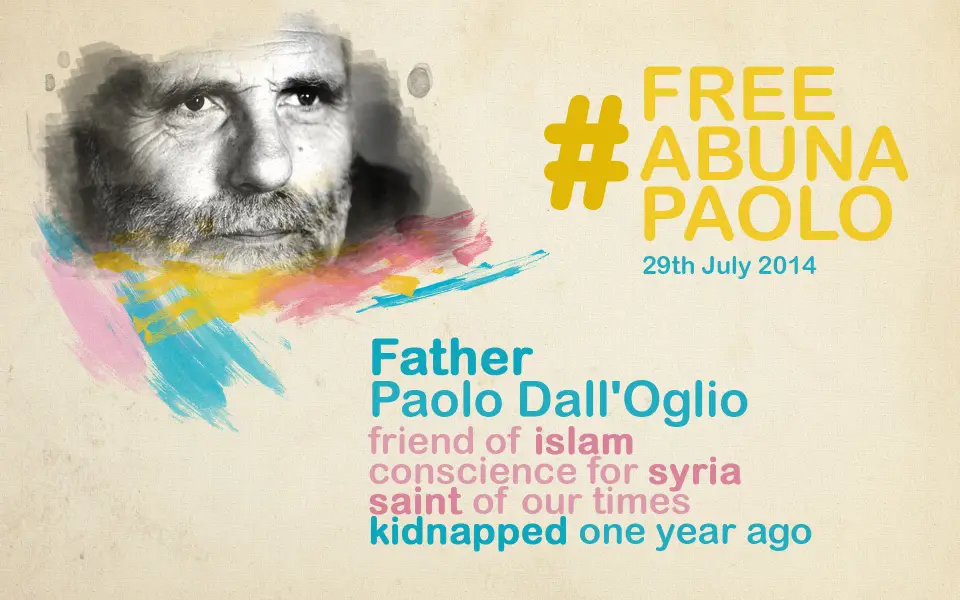
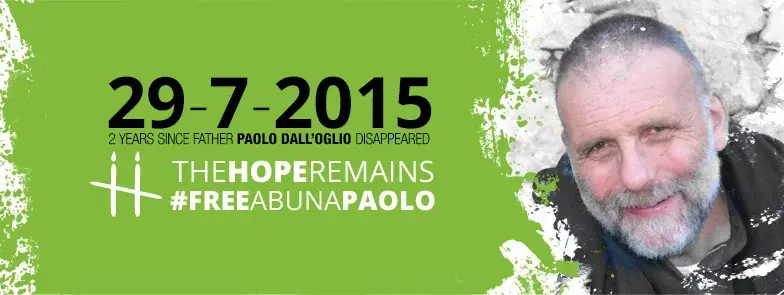
- 29 July 2013: kidnapped in Raqqa by the so-called Islamic State.
- 2023: Il mio testamento, the last spiritual talks he gave to his community, appears with a preface by Pope Francis.
The dates follow the Wikipedia articles on Paolo Dall’Oglio in English, Italian and French.
How Relief & Reconciliation began
Friedrich Bokern, our chair, met him in 2008 on his first journey to Syria. A friend from his student days in Paris had just written the first book about Paolo and his monastery; after reading it, he wanted to meet the man who had inspired her. Friedrich climbed the more than 300 steps up to Mar Musa and heard a shout: it was Paolo, calling after one of the monks, who then welcomed him with open arms, as he welcomed so many. Paolo had a heart big enough for true friendships with hundreds, perhaps thousands, of people from Syria, Lebanon and around the world. What struck Friedrich most was his love of Islam and his taste for difference: not a reason for conflict and hatred, but for curiosity and humility.
In 2012, as half of Syria’s population was driven from their homes, a group of friends who knew each other from Syria and Lebanon decided they could not stand by and watch. Friedrich turned to Paolo, just before the Assad regime forced him into exile. They met in Italy in August 2012, where Paolo was giving one talk after another; from 11 pm to 3 am they went through the plans together. “I want this association to happen, and I want to be with you,” Paolo said. The name Relief & Reconciliation was his idea: our solidarity had to be total, and it had to look ahead, to win the peace after the revolution, for reconciliation and a better future for the young.
For most of our founding members, Abuna Paolo was a friend and a source of inspiration. He validated our young project when it was only an idea and considered himself a founding member and mentor of our association. For the sake of political neutrality, we decided together that we would be independent, but he actively supported our work and guided us through our first year.
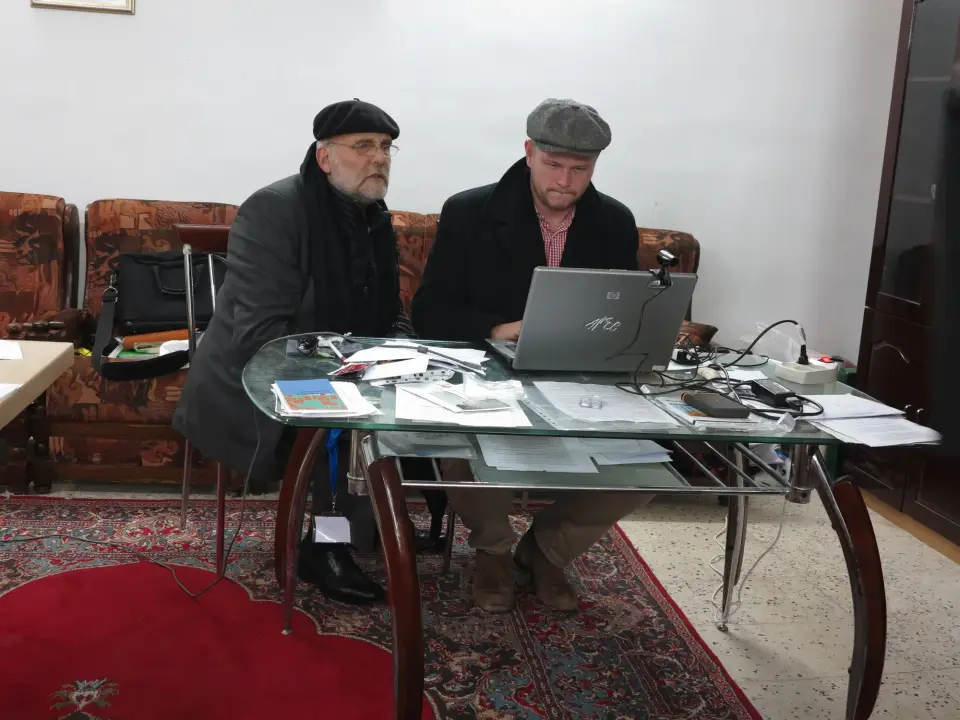
In the year that followed, Friedrich spent two months with Paolo in his exile in Sulaymaniyah, in Iraqi Kurdistan, with Father Jens and others, drafting our statutes and our appeals for donations. Paolo sent two of them to his entire network, and together they held meetings in Paris, Brussels and Berlin.
In Qusayr and along the Orontes
Father Paolo came twice to Qusayr in 2011 and 2012, negotiating the release of hostages and giving practical and moral support to a population besieged by the Assad regime. During one of these visits, he organised the purchase and transport of a big generator to Ayn Al-Tannour, by the Orontes river, from where Homs is supplied with fresh water. The siege had cut the power lines; thanks to the generator, water was flowing again. The manager of the local water plant still remembers him well.
Because of a video published during his second stay, showing him breaking the fast with rebels, the Assad regime exiled him in June 2012. In his own words: “Our jihad is a jihad for democracy.”
Before his disappearance, he asked us to be ready, once the Assad regime fell, to send international volunteers along the Orontes, to the mixed areas where minorities would fear retaliation.
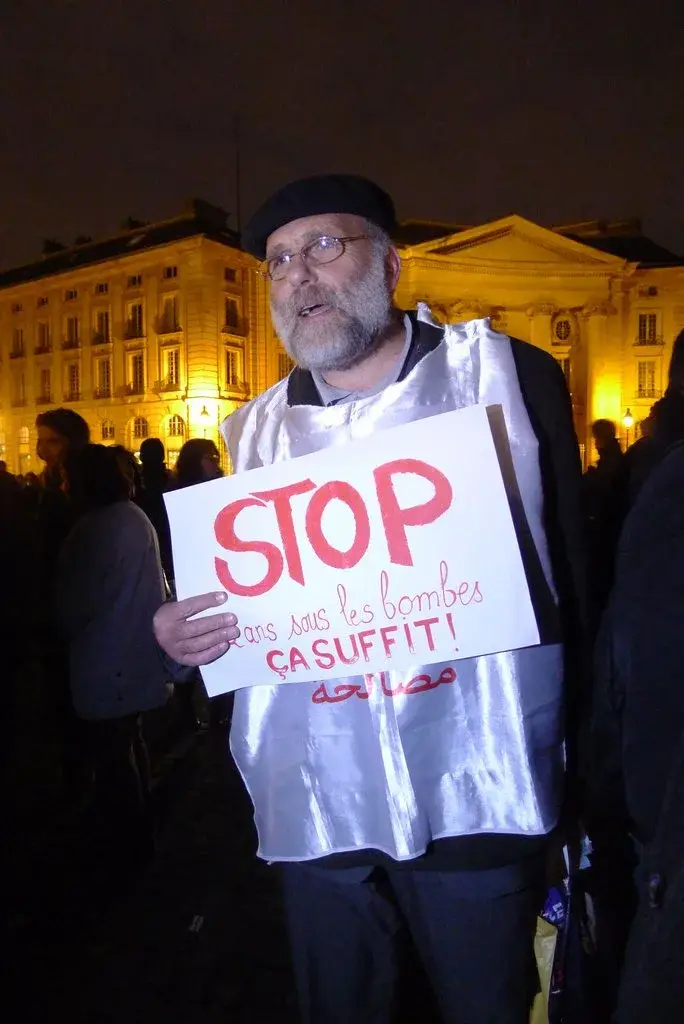
I don’t want to live a life other than a radical gift, in life and death.
Disappeared in Raqqa
On 29 July 2013, Father Paolo disappeared in Raqqa. He went on his own and of his free will to the capital of the freshly proclaimed “Islamic State in Iraq and Syria”, to negotiate the release of hostages held by this extremist group and to build peace. We spoke on the phone right before his arrival and talked about the danger. He was perfectly aware of it, but he had to go. Having dedicated his life to Syria and to the love of Islam, he could not turn his back on the darkest hour in Syria’s modern history.
It was his third journey into the liberated areas of Syria since his exile. Friedrich calls it Paolo’s path to Jerusalem: he knew he might suffer and might not return, and went nevertheless. He followed the spirituality of Louis Massignon, who inspired him, and of the Badaliya: the badal is the one who offers himself in exchange for a hostage.
Paolo never saw our Peace Centre in Akkar. On the very day he disappeared, 29 July 2013, we held our first large gathering there, in the month of Ramadan. The Sunni mufti of the region, the Orthodox and Maronite bishops and, for the first time, Alawite representatives broke the fast together, with hundreds of Syrian refugees who had just fled across the border, among them badly wounded fighters of the Free Syrian Army. Everyone feared that the secret services were listening, but it was a first moment of reconciliation, and many others followed. That evening, Father Jens called from Iraq: Paolo had not come back from the headquarters of the Islamic State.
We have had no news since he entered the base of the ISIS fighters.
Keeping faith with his mission
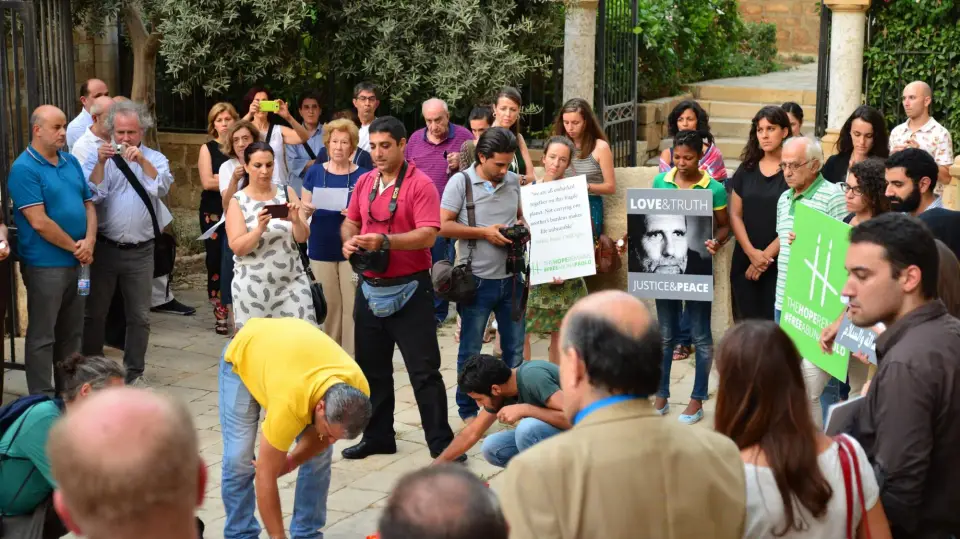
In the summers after his disappearance, our volunteers at the Peace Centre in Akkar held a novena in the nine days before 29 July: Muslims, Christians and people of other convictions gathered on the rooftop for a moment of silence, reading words from Paolo alongside texts from the Jewish, Christian and Muslim traditions. In Beirut, we joined vigils in front of the Jesuit church of St Joseph, where he once studied.
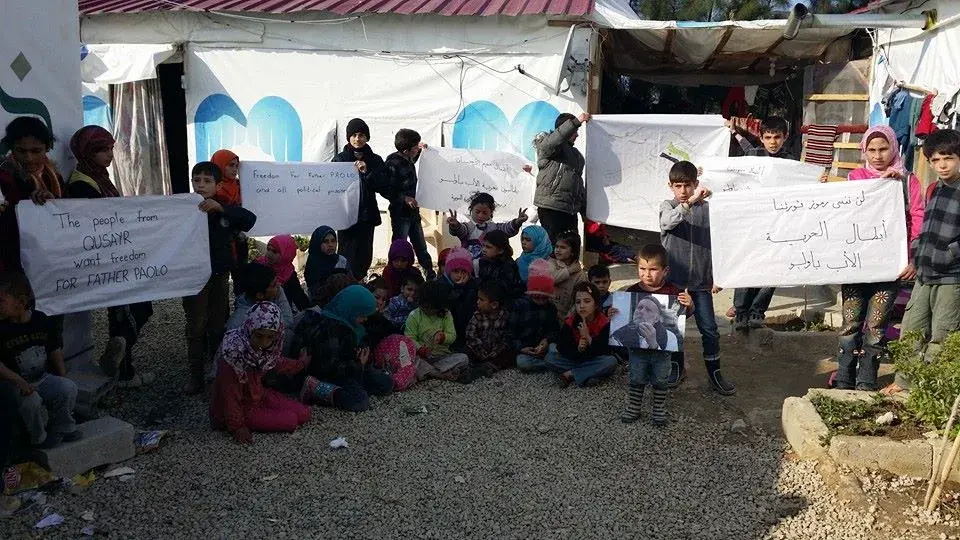
Akkar, where Sunni, Alawite and Christian villages once fought each other, is today a model of peaceful coexistence: its religious leaders form a spiritual committee that meets regularly and helps to defuse tensions.
After the fall of the Assad regime, we followed his traces back to Syria. Since January 2026, our Peace Centre in Kadesh, near Qusayr, stands on the Orontes, in the very area he visited in 2012. In this way we honour his mission: to bring Muslims and Christians of different denominations together around a common cause, a better future for the youth.
Friedrich Bokern, our chair, puts it this way: “Paolo taught me what spiritual solidarity really means: making room for the other in your heart, and discovering that the other can be a friend, despite all differences and despite everything that happened in the past.”
You too can take a small step towards solidarity and peace: volunteer with us on the Orontes, support our work, or come and visit us in Lebanon or Syria. And visit Deir Mar Musa, where a lively community of monks and nuns lives Paolo’s hospitality every day, for all Syrians and all people of goodwill.
From generation to generation, the word Syria shall be a synonym of resurrection.
Read more
- Father Paolo’s Path to Jerusalem (2026), the video with Friedrich Bokern
- Free Abuna Paolo! (2014)
- Novena for Abuna Paolo (2015), with the texts of the novena
- Rebuilding Syria (2025), on his traces in Qusayr
- His books: Amoureux de l’islam, croyant en Jésus (2009) and La rage et la lumière (2013), both in French; Il mio testamento (2023), in Italian, with a preface by Pope Francis
- Paolo Dall’Oglio on Wikipedia