Relief & Reconciliation
The Peace Centres
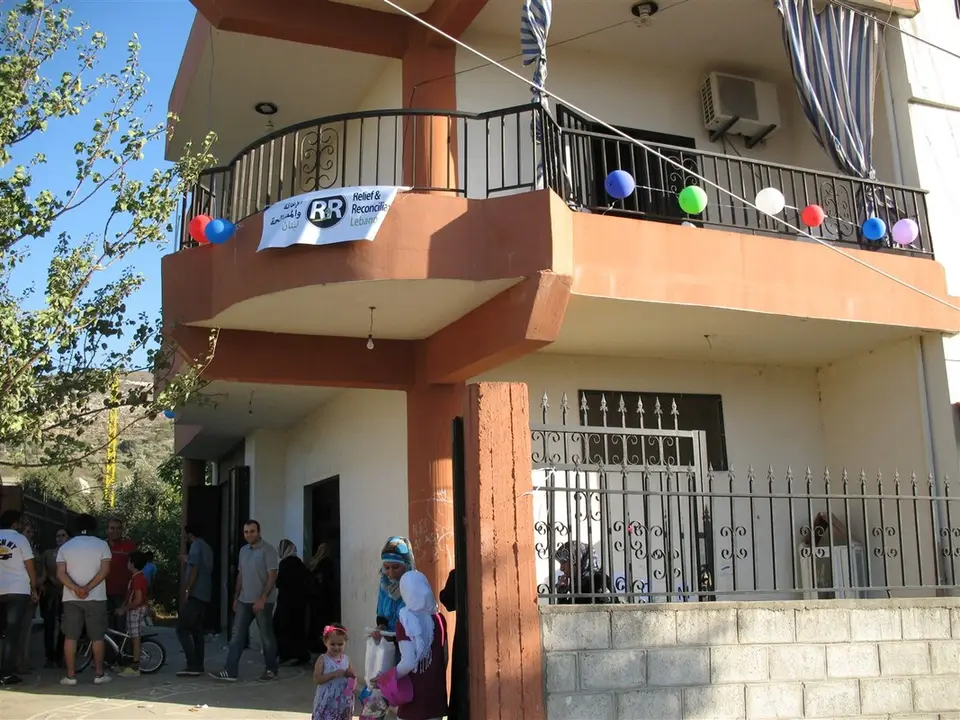
Our Peace Centres are the heart and soul of Relief & Reconciliation. They are open houses for young people of every community in the borderlands of Lebanon and Syria, learning centres for Syrian and Lebanese children, home to our international volunteers and the base of all our work.
Where we work
Our two Peace Centres lie on either side of the border between Lebanon and Syria, only about 35 km apart as the crow flies, in a region where Sunnis, Christians and Alawites have lived side by side for centuries. From Brussels, it is about 3,100 km.
- Peace Centre AkkarQantara · since 2013
- Peace Centre KadeshTell Nabi Mendo · since 2026
- Beirut
- Tripoli
- Homs
- Hama
- Damascus
- Lebanon
- Syria
- Mediterranean Sea
- Orontes
Qantara - Akkar - North Lebanon · Since 2013
The Peace Centre in Lebanon
Our first Peace Centre opened in July 2013 in Bkarzla, a Maronite village 12 km from the Syrian border that had given shelter and work to Syrian refugees. We were happy there for twelve years. When many families prepared to return to Syria, we moved to the neighbouring village of Qantara, where the public school and the old house opposite it had become vacant. The move was practical, but it also expressed a conviction: our presence in Akkar is not temporary.
The Peace Centre is more than a guest house. The international volunteers who live there form a small community of their own, open to all, that tries to live spiritual solidarity in practice. They do not only live in diversity but share it, and discover the Abrahamic hospitality that has marked this region for centuries, above all in its poor rural villages. Practising Muslims, Christians, Jews, Buddhists and Hindus have lived and worked with us, as well as atheists, agnostics and people of other convictions.
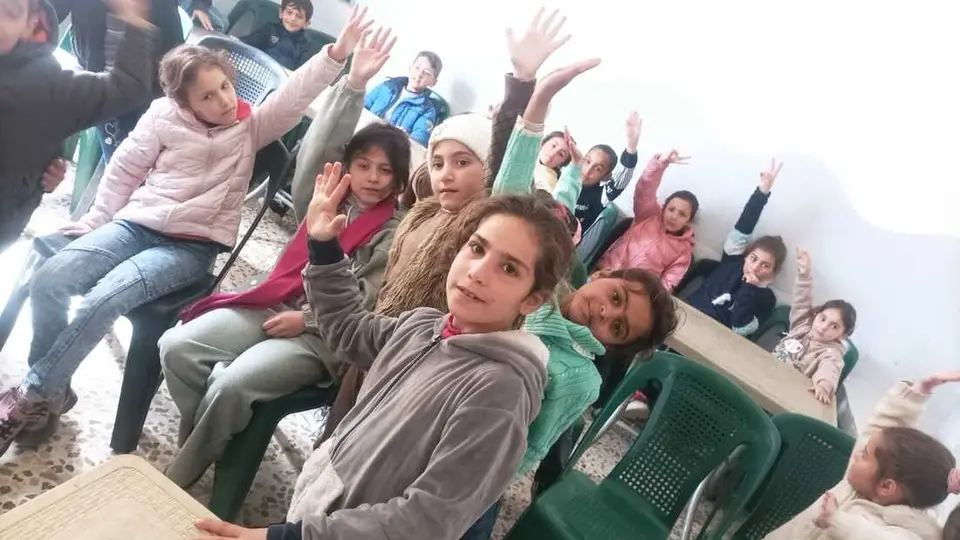
Children and adolescents of every confession, Lebanese and Syrian, come to the Peace Centre for classes, psychosocial support and material help. We chose a safe place in nature so that children marked by war have room to breathe.
Over the years we opened further camp schools and learning centres in places across Akkar that reflect the diversity of the region, some as permanent branches rented by R&R, others as guests of local associations. On average we hold classes in five learning centres. Our local teachers and international volunteers have taught every day, without missing a single school day, even in times of crisis and war. We also distributed emergency aid to newly arrived refugees, and we still help families with their most urgent needs.
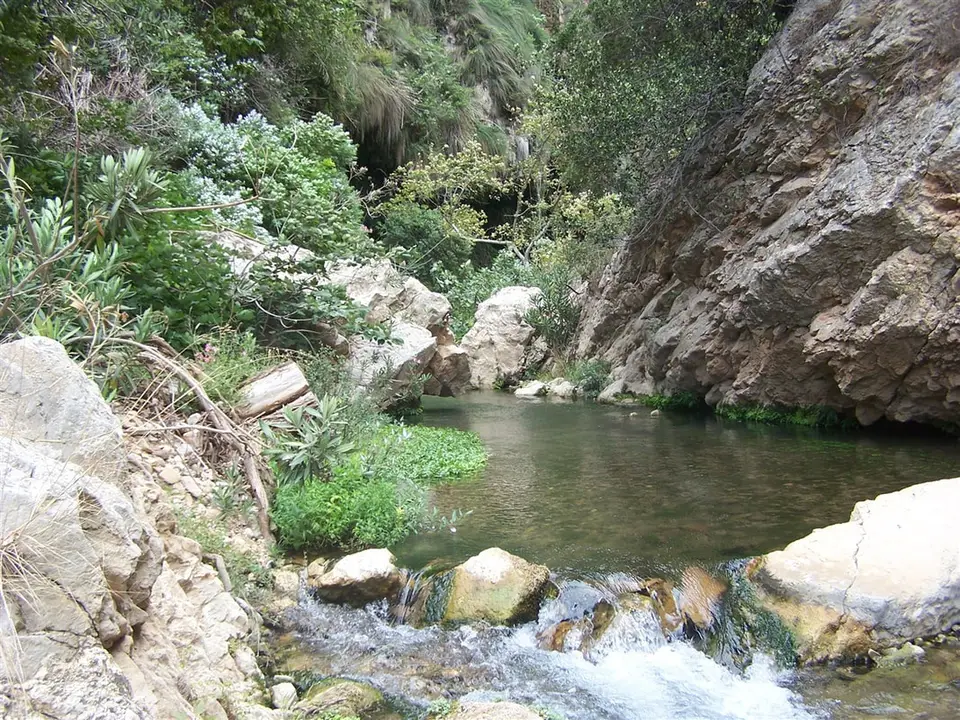
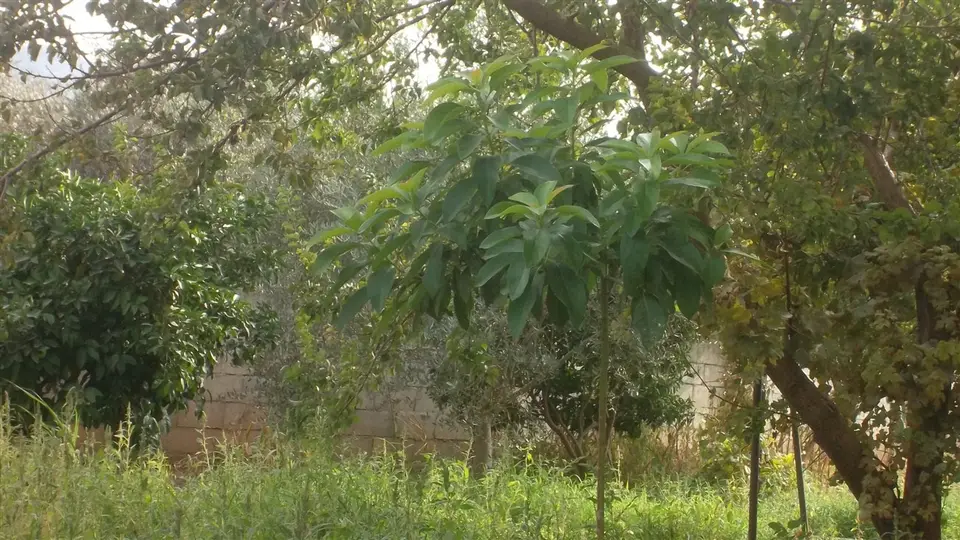
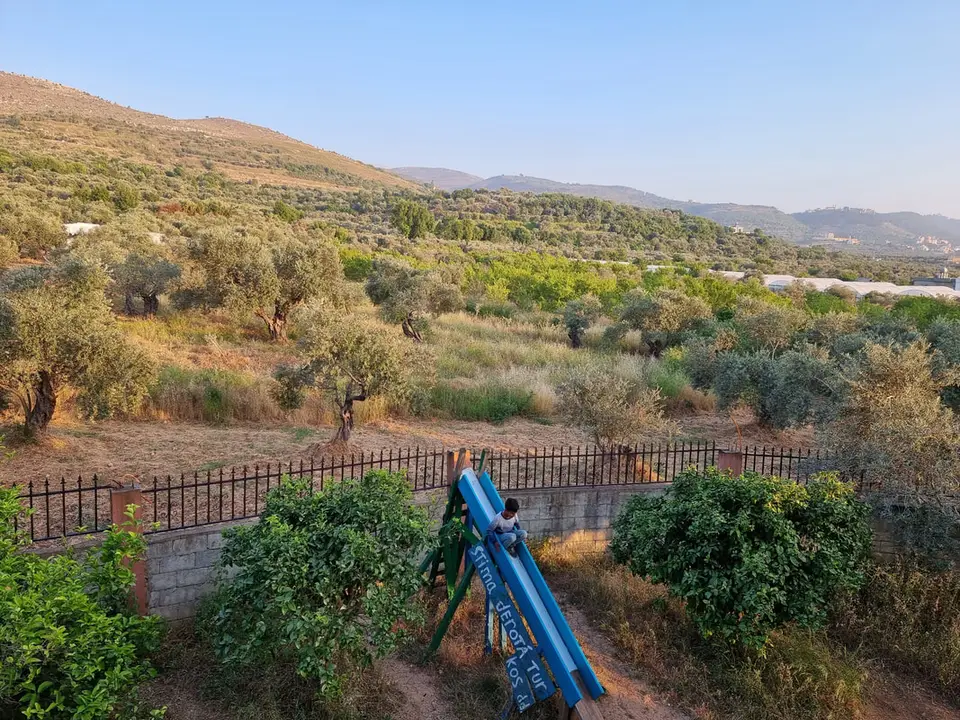
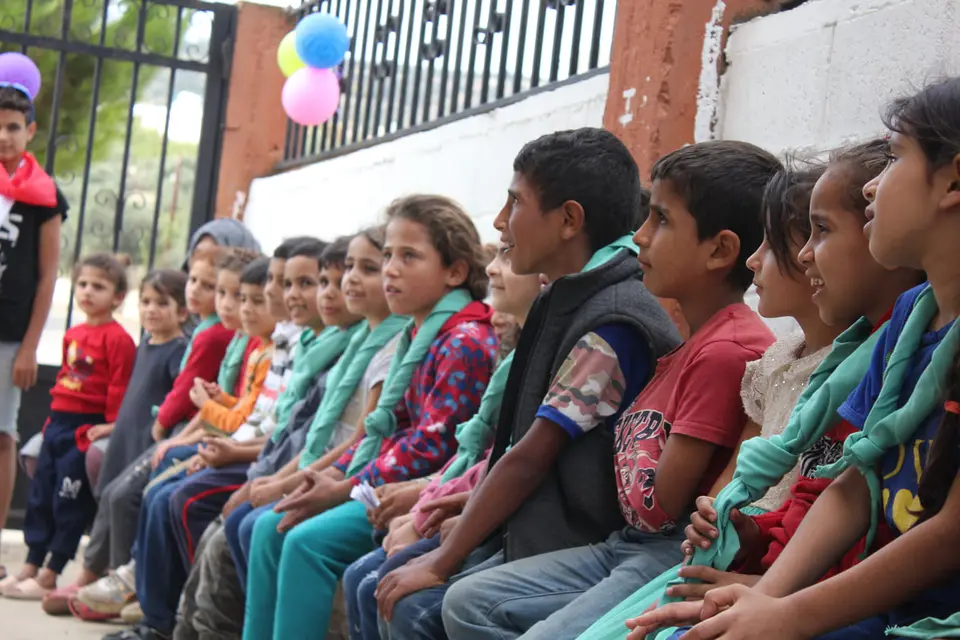
The borderlands, a place of hospitality
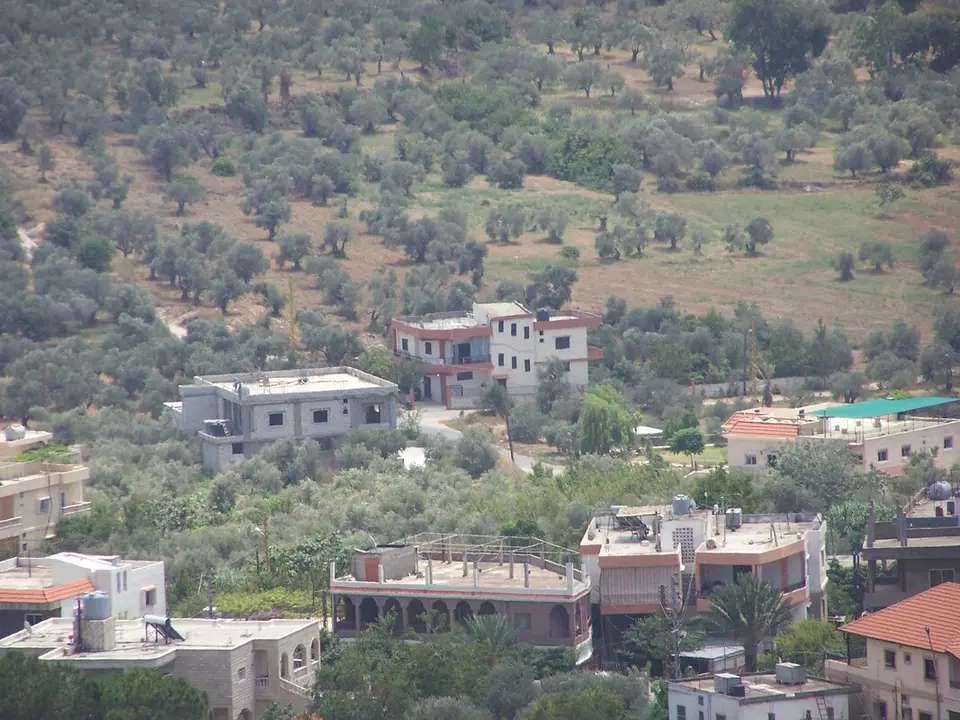
Akkar is Lebanon's poorest region and took in the highest share of refugees per inhabitant. At the height of the war there was almost one refugee for every local resident. The poor welcomed the poorest. Sunnis, Christians and Alawites live side by side here, and family ties have crossed the Syrian border for generations. Sacred hospitality is still the norm: hike through these hills and you will be invited in for coffee or tea.
When we came to Akkar in 2013, the region was shaken by sectarian fighting between Sunni and Alawite villages, depending on which side of the Syrian war they supported. Some Christians were drawn in too, along the lines of their parties. The location of our first Peace Centre was chosen together with a regional Steering Committee of moral authorities from every community. Today civil peace has returned, also thanks to the religious leaders who have met monthly since our Steering Committee first invited them in 2013.

The Ibrahimic Youth
Young people who take responsibility
Over thirteen years, our students have grown into a movement of their own. More than 500 children and adolescents, Muslims and Christians, Lebanese and Syrians, form the Ibrahimic Youth, an interreligious scout movement. Youth leaders aged 15 to 21 take responsibility for the younger children, week after week and at the summer mountain camp, held every year since 2017.
In 2022, 80 youth leaders surveyed more than 800 children and wrote a Children's Rights Charter, adopted together with the religious leaders of Akkar. In 2025 they interviewed the families of 703 children for our annual evaluation. In Syria, many of our former students have asked us to build the same movement there. A first camp in Syria, with a dozen new youth leaders, was planned for summer 2026.
Beyond discrimination, they’re building the basis of a reconciled future for the generation of tomorrow.
Kadesh - Homs Governorate - Syria · Since 2026
The Peace Centre in Syria
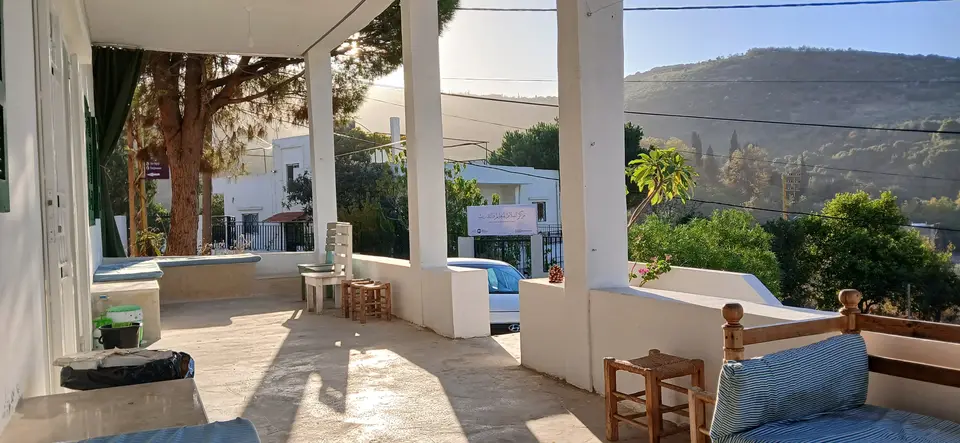
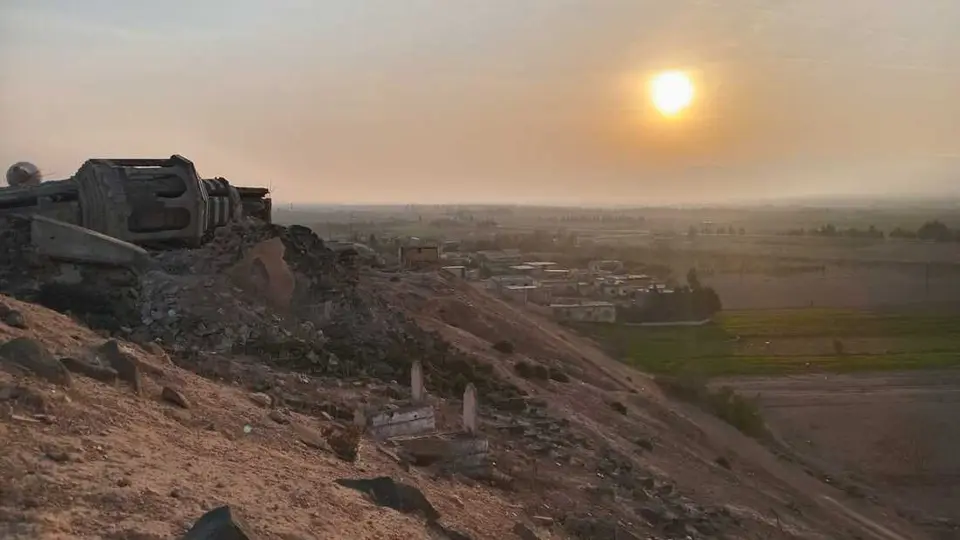
After more than a decade of war, the Syrian people freed their country from dictatorship, but the Assad regime left a field of ruins behind. The largest refugee crisis of this century is coming to an end. In 2025 we returned to Syria with the families we had served since 2013 in North Lebanon and through our cross-border aid. In December 2025 we founded the Syrian branch of our organisation and rented a space in Tell Nabi Mendo, the ancient city of Kadesh on the Orontes river.
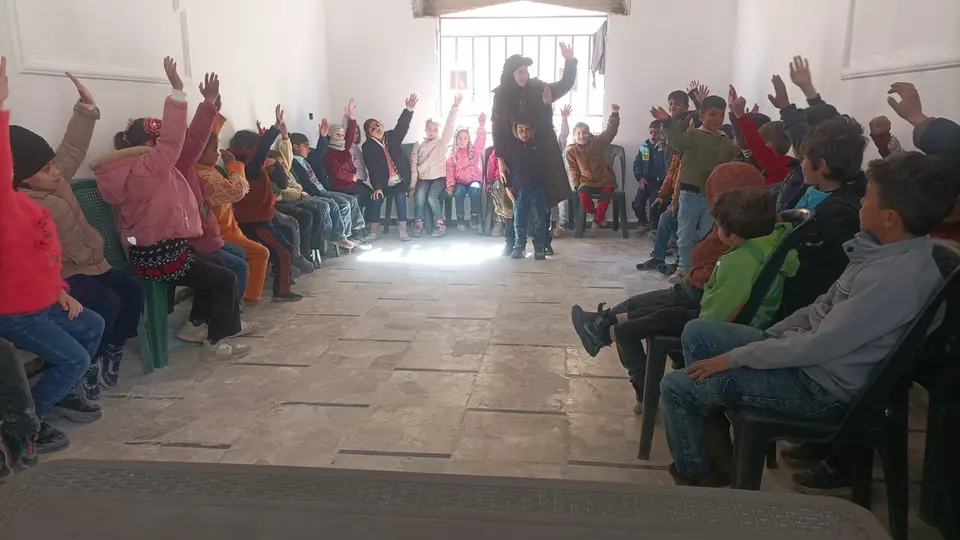
Peace Centre Kadesh opened its doors at the beginning of 2026. Three of our seven local teachers worked with us in Lebanon before; the others survived in the ruins of war or came back from displacement inside Syria. As on the Lebanese side, the region has been mixed for centuries, with a Sunni majority living alongside Christians, Alawites and other communities.
Families who return face enormous challenges. 85% of the houses in the Qusayr area are uninhabitable, there is hardly any income, and reconstruction has barely begun. We are now preparing the centre so that international volunteers can join the team here too.
Live and work at a Peace Centre
International volunteers live with our local teams and share the daily life of the centres. No one is paid more than local staff.
Become a volunteer